
 Shop
Shop
 Bestsellers
The Truth About Crepey Skin

Have you ever noticed your skin forming tiny creases and ridges? Does your skin feel thinner than it used to, almost like a sheet of fine crepe paper? The good news is that it’s normal for skin to feel increasingly crepey as we age.
Because it’s so normal, causes, treatments, and preventative care options have been well-researched and documented. In this blog post, we’ll walk you through the following:
- What is Crepey Skin?
- How is Crepey Skin Different from Wrinkles?
- What Causes It?
- Crepey Skin During Menopause
- Thin Crepey Skin Under Eyes
- How to Prevent Crepey Skin
- Best Way To Treat Crepey Skin
- Final Thoughts
What is Crepey Skin?
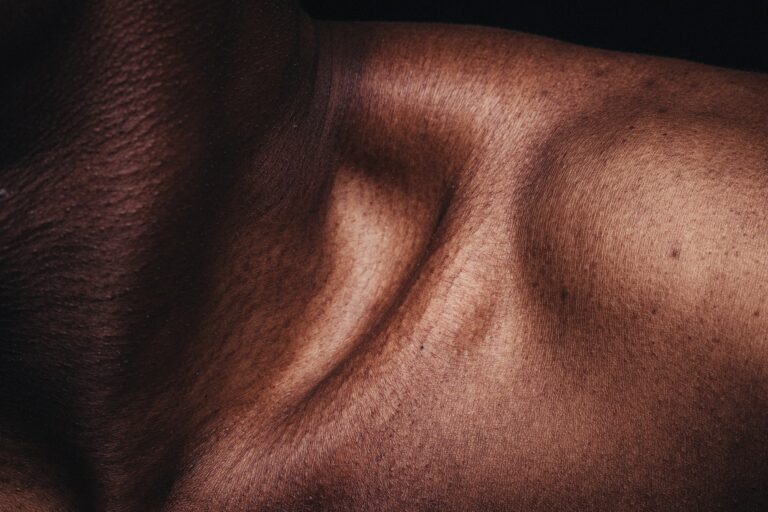
Crepey skin refers to when the skin becomes excessively thin and starts becoming less firm than it used to be. It happens as we age when our skin starts to feel saggy and looser than how it used to be.
How is Crepey Skin Different from Wrinkles?
Crepey skin and wrinkles are not the same, though they are both caused by a loss of elasticity in the skin.
Crepey skin tends to affect a larger area and doesn’t form around specific points of movement. For example, one of the most common wrinkle patterns, crows-feet, forms due to repeated movement of the muscles around the eye. Over time, the skin loses elasticity where it folds thus creating fine lines and wrinkles.
Crepey skin on the other hand isn’t caused by repeated movement of the skin and thus isn’t usually found in specific targeted areas.
What Causes IT?
As we get older, our bodies don’t produce as much collagen as they used to. Collagen is what gives our skin its bouncy, plump look and feel.
In addition to age, reduction in collagen production can also be caused by large fluctuations in weight. Losing and/or gaining a large amount of weight in a short period of time can cause a delayed reaction in collagen production. Essentially, your skin has to play catch-up with your body.
Collagen production can also be negatively affected by an unbalanced diet, more specifically a lack of protein. The recommended dose is 30-40gr of protein per day.
In addition to collagen, UV radiation from the sun can also cause loose skin. Long-term UV exposure, like years without sunscreen, can decrease your skin’s ability to repair itself. It can also cause the skin to lose its elasticity which means it won’t be able to bounce back after being stretched.
Long-term smoking and exposure to cigarette smoke can also cause crepey skin.
Crepey Skin During periMenopause AND MENOPAUSE
Hormonal changes during perimenopause and menopause can also cause extremely dry and crepey skin. The female sex hormone estrogen is linked to many processes in the body. One of them is regulating collagen and oil production in the skin.
As you go through menopause, you may experience crepey skin as a result of the decline in estrogen production in your body. Taking steps to balance your hormones can have a positive impact on your skin and help soften the impact of estrogen decrease.
In addition to your skin, menopause can affect your entire body in a number of ways. Take a look at this list for a complete run-down of menopause symptoms.
Crepey Skin Under Eyes
Crepey skin is very common under the eyes. The skin around our eyes is the most fragile and thin. We also tend to neglect this area of the skin when we apply sunscreen as we don’t want to get sunscreen in our eyes. As a result, it’s often some of the first areas to get affected as we age.
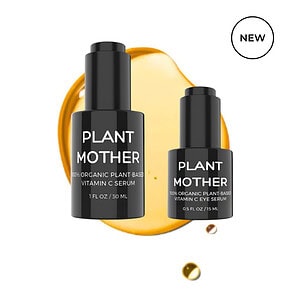
First, you’ll need a good (ideally natural, non-irritating, botanical) eye serum to help treat this crepeyness, but we recommend looking for one with ingredients that will target your specific worries and won’t cause eye irritation. The Vitamin C eye serum can help with crepey skin and dark circles under your eyes as it nourishes and brightens your sin.
Eye serums with antioxidants and vitamins are the way to go.
If you are in search of a more immediate result, under-eye filler is an option (we don’t recommend it though). As with any medical procedure, it’s important to consult with a doctor before undergoing any treatment.
How to Prevent It?
Maintaining your skin’s moisture barrier and keeping it moisturized is key to preventing crepey skin. Use products with antioxidants and vitamins to keep your skin rejuvenated. When your skin is well moisturized, it’s at its healthiest. A good Vitamin C face and eye serum will serve as a great prevention to pre-mature aging and sagging of the skin.
Additionally, the volume of moisture in your skin can help smooth it. Think of it as a water balloon: it’s loose and wrinkly when empty, but fill it with water and it’s smooth. Your skin cells react similarly to moisture.
In addition to keeping your skin well-nourished and healthy, maintaining a balanced diet with plenty of protein can help keep your skin firm. Giving your skin the tools it needs to take care of itself by eating well can make all the difference.
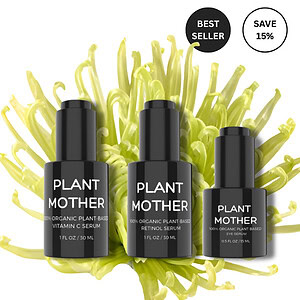
The Plant Mother Vitamin C Serum derives its vitamin C from the Kakadu Plum, which contains 55 times more vitamin C than oranges! In addition to the high potency of vitamin C, the Plant Mother serum is also rich in antioxidants to help prevent damage from reoccurring.
How to Treat loose skin
If you’ve already developed crepey skin, the good news is that there are plenty of ways to treat it! In addition to keeping your skin nourished, moisturized, wearing sunscreen, and maintaining a balanced diet, there are myriad options for treating thinning skin.
You need a skincare routine, not a single product to tackle loose skin. Vitamin C, Niacinamide, and Retinol have tightening properties and will add moisture and collagen to your complexion to help treat crepey skin. These serums have also been shown to boost the overall brightness of the skin. Just think B.L.T.: brighten, lighten, tighten.
Final Thoughts
Crepey skin is very common and very treatable. While prevention is preferable, there are many ways to help your body reverse loose skin. But no matter what your skin looks like, be kind to yourself and embrace the story your skin tells.
Medical Disclaimer
This content is for informational and educational purposes only. It is not intended to provide medical advice or to take the place of such advice or treatment from a personal physician. All readers of this content are advised to consult their doctors or qualified health professionals regarding specific health questions. The publisher of this content does not take responsibility for possible health consequences of any person or persons reading or following the information in this educational content. All viewers of this content, especially those taking prescription or over-the-counter medications, should consult their physicians before beginning any nutrition, supplement, skincare product, or lifestyle program.
